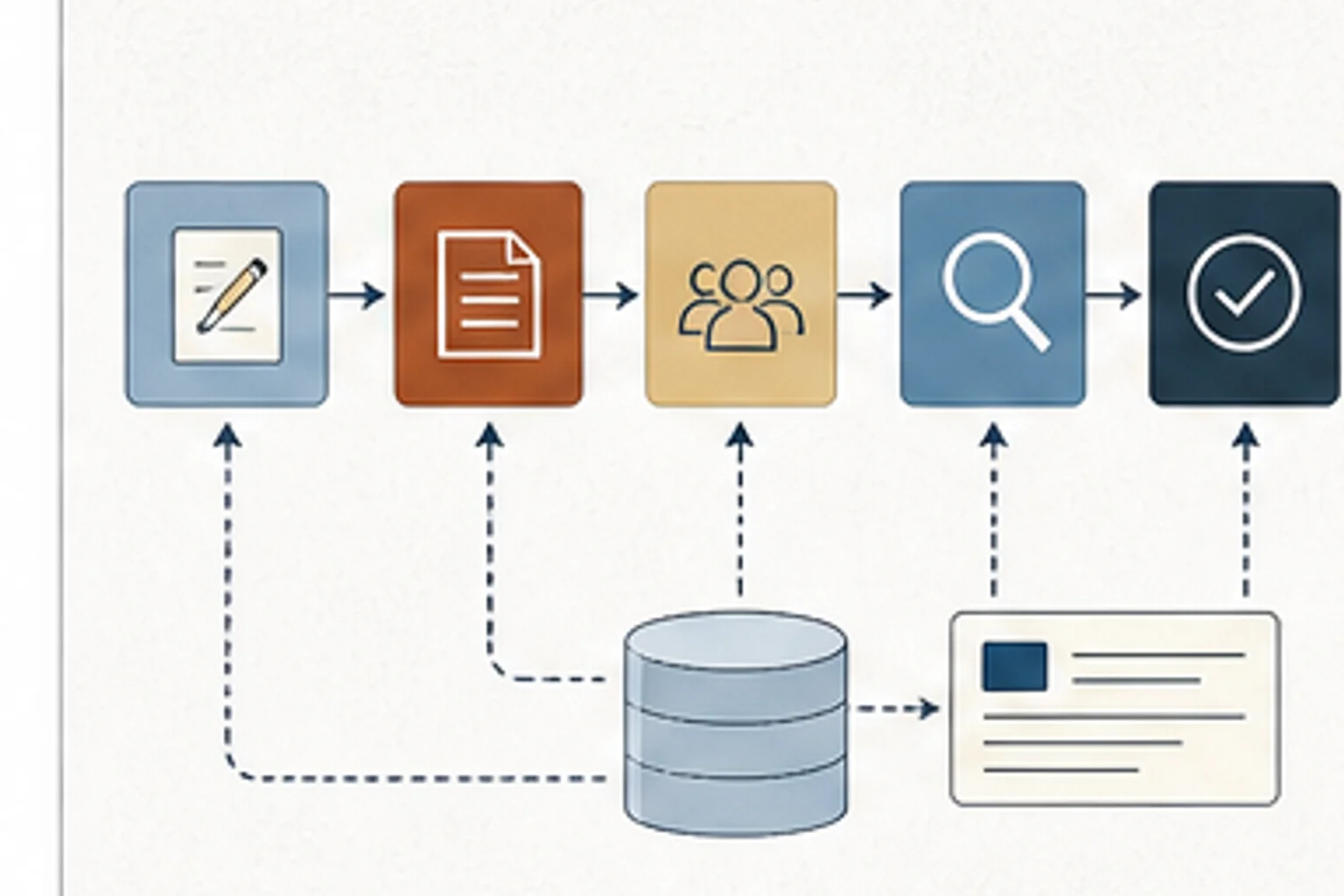
The 31% Problem
Systems thinking, not tool access alone, changed development cycle time. AI worked when it improved planning, review, handoffs, and production habits.
Field Notes are the owned article library: practical writing on intake, AI workflows, content operations, SME review, LMS governance, measurement, and knowledge systems.
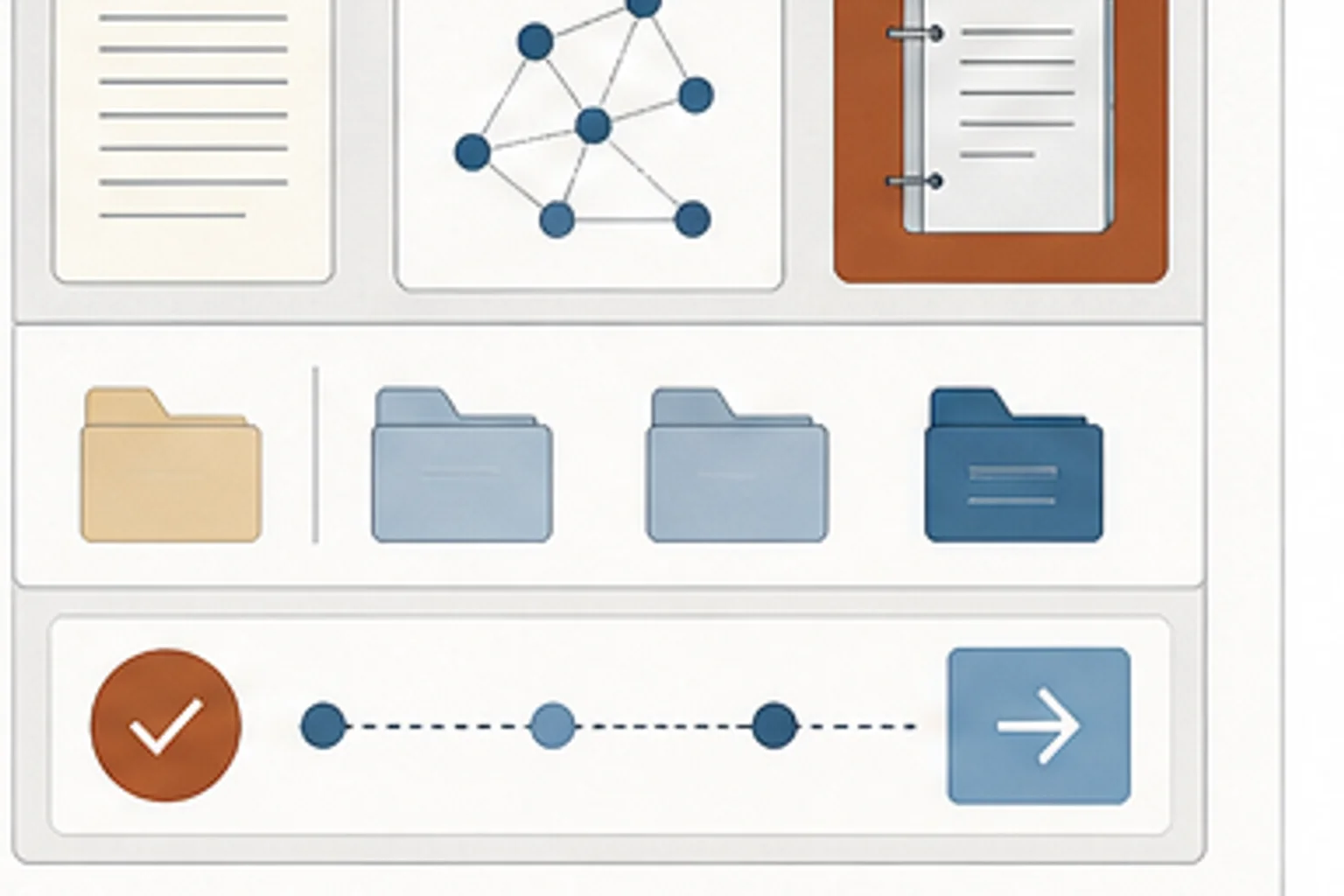
Systems thinking, not tool access alone, changed development cycle time. AI worked when it improved planning, review, handoffs, and production habits.
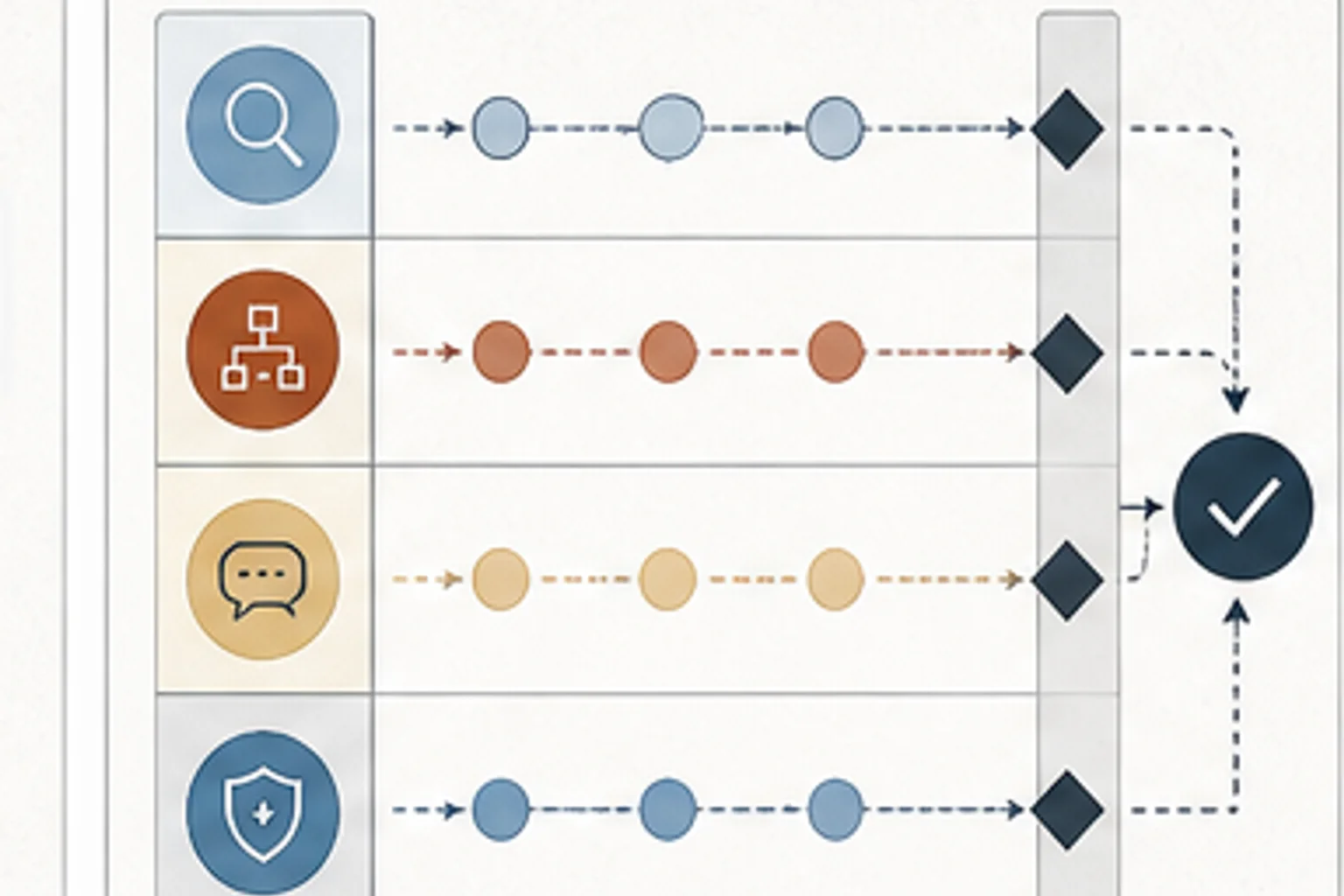
The bottleneck is often the process built around the SME: unclear decision rights, vague review standards, and late-stage approval pressure.
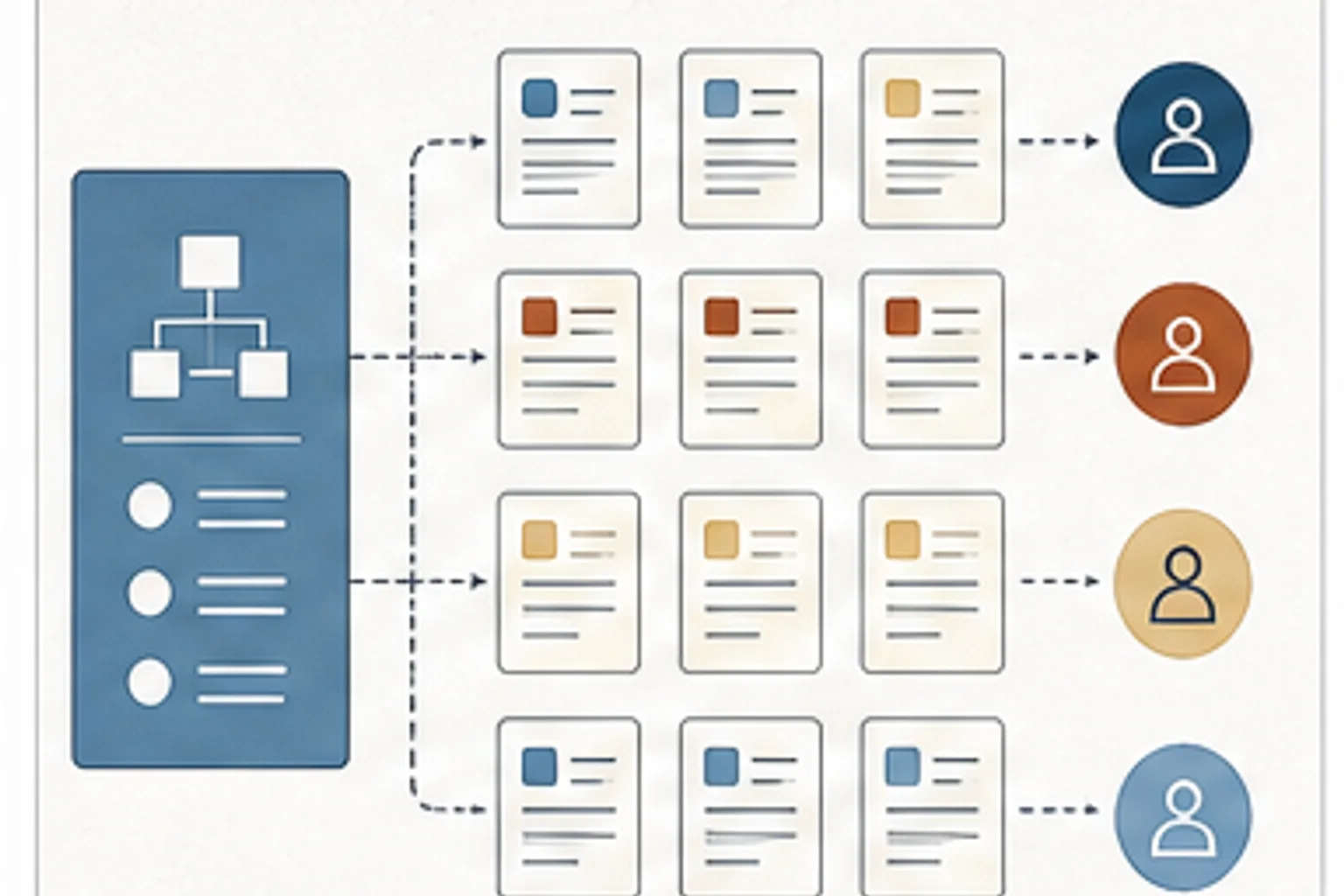
The shift was from full workflow courses to customer-training microlearning tied to role-based tasks and the work people needed to perform.
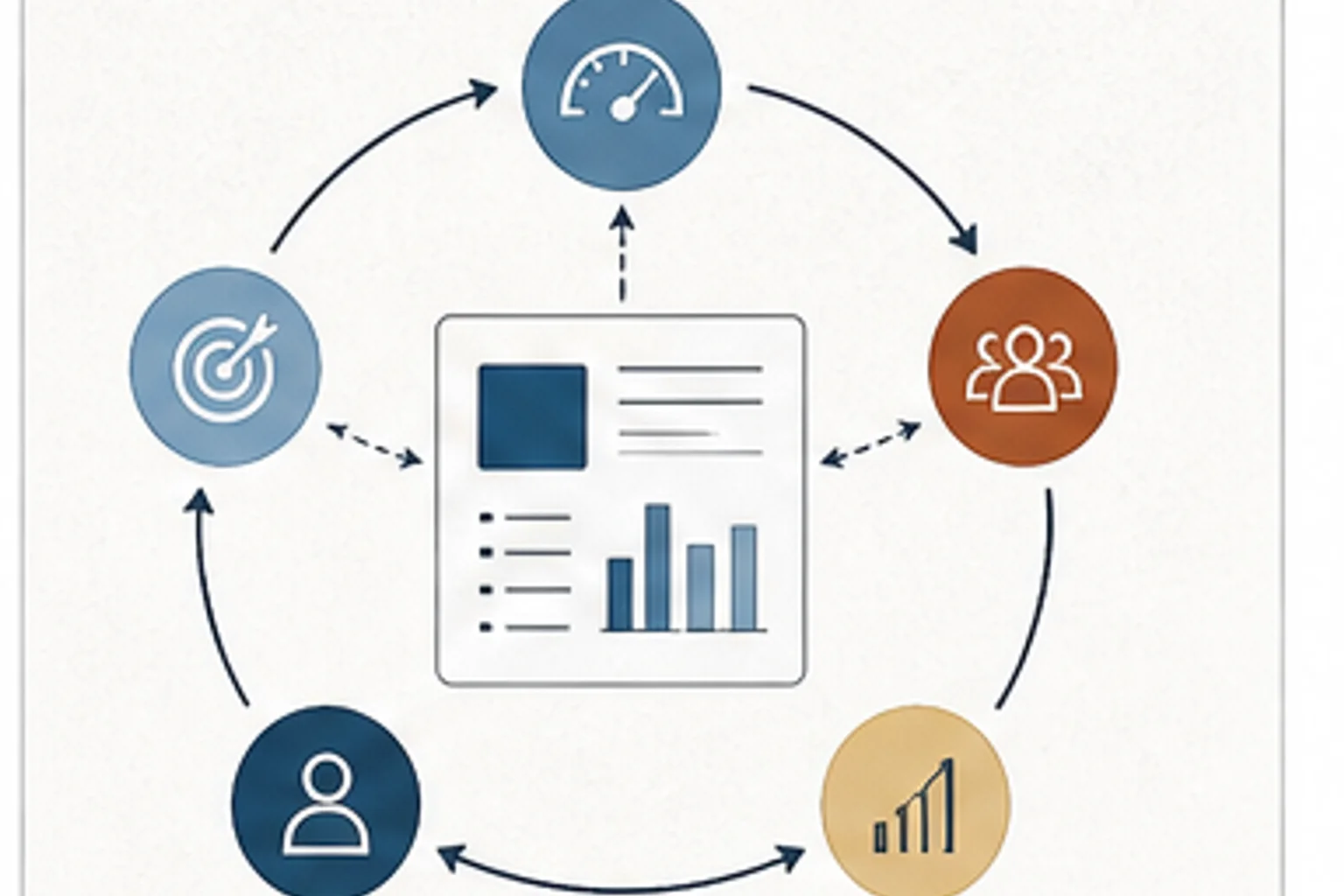
Completion data is easy to collect and weak as proof. Better measurement starts with readiness, behavior, adoption, and workflow impact.
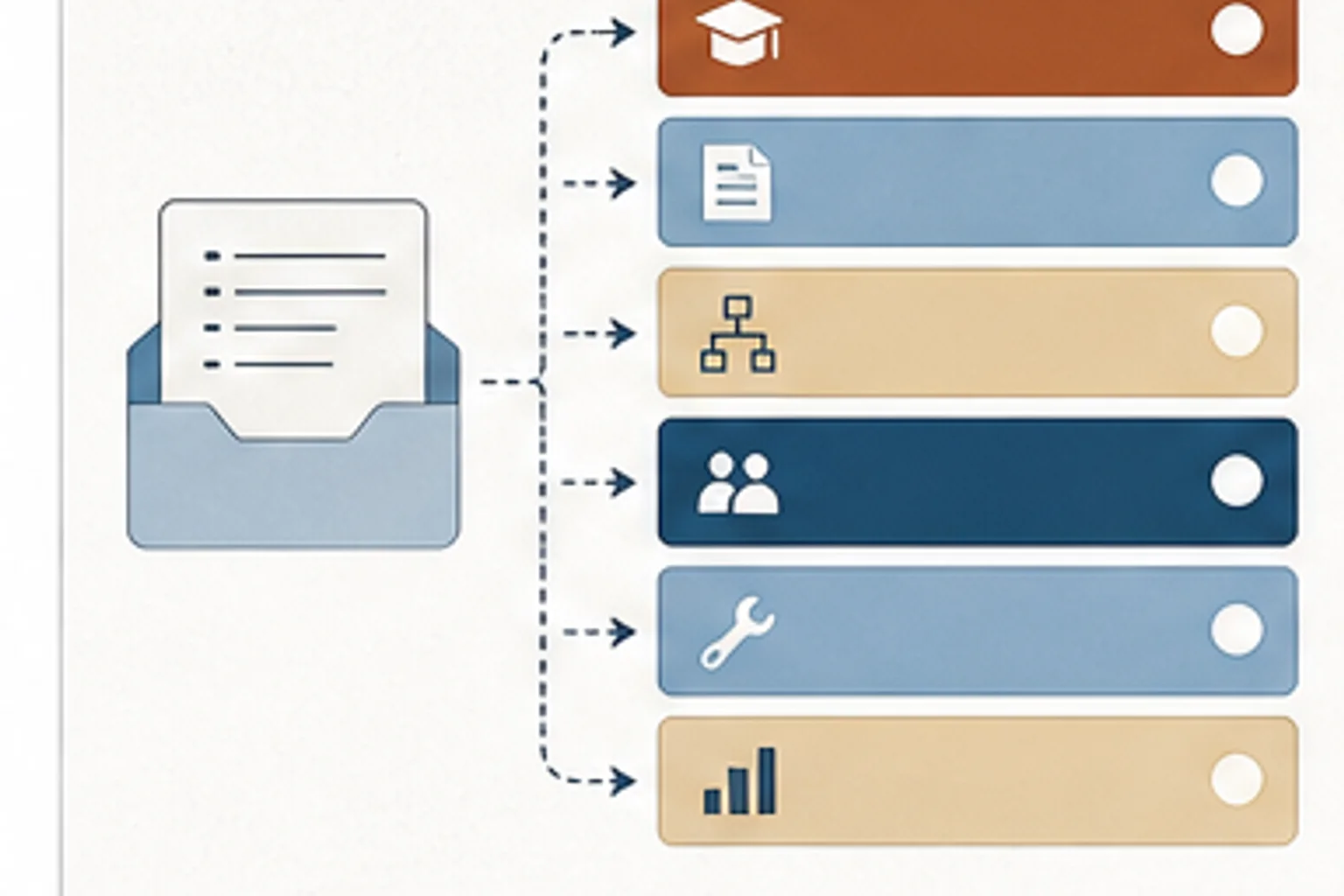
A better intake conversation separates training problems from workflow, tool, manager, documentation, and performance support problems.

A playbook makes ownership, review, naming, publishing, QA, and maintenance visible enough for the team to improve the system.
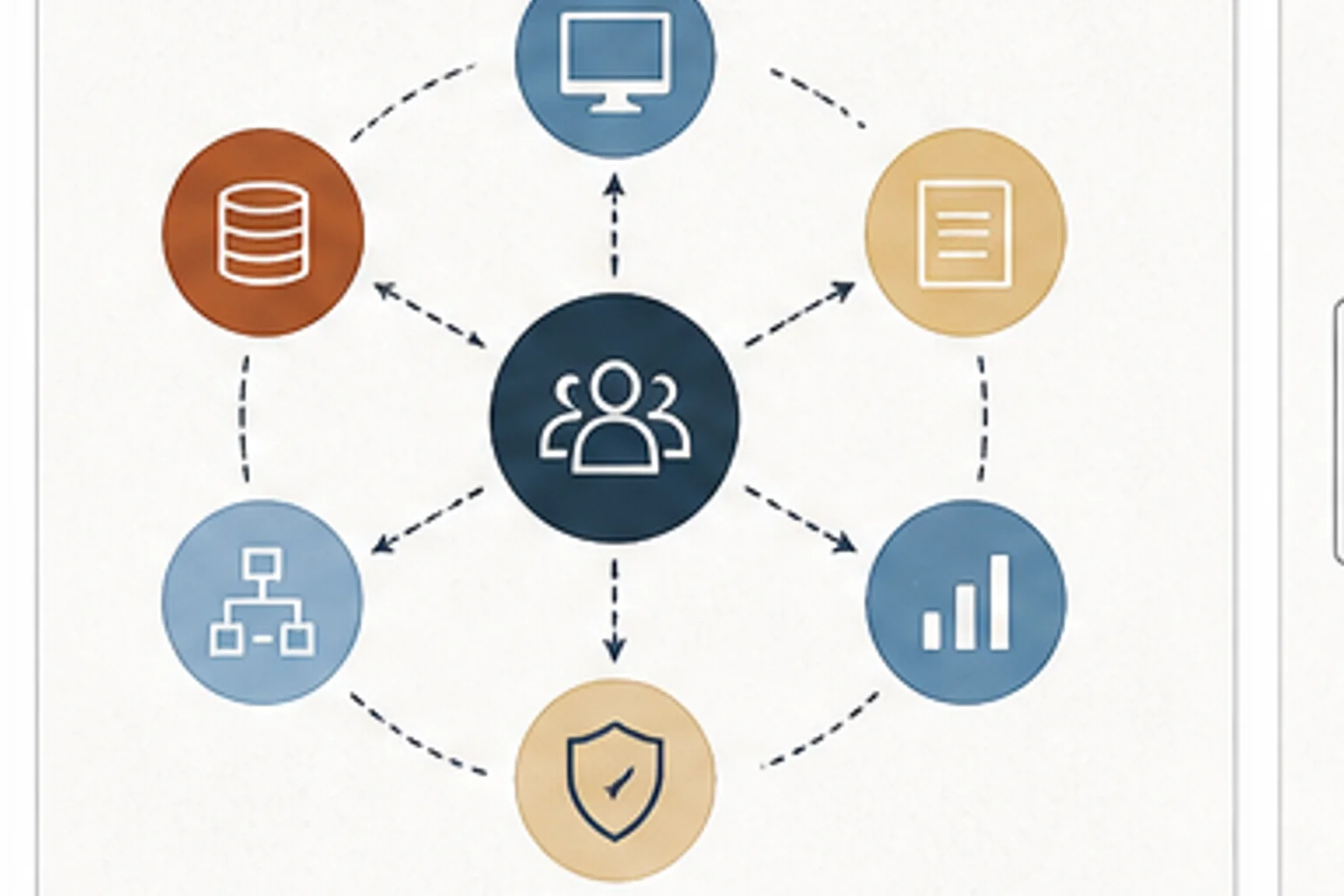
Scaling L&D requires more than instructional design skill. It needs people who can own systems, data, projects, platforms, and messy handoffs.
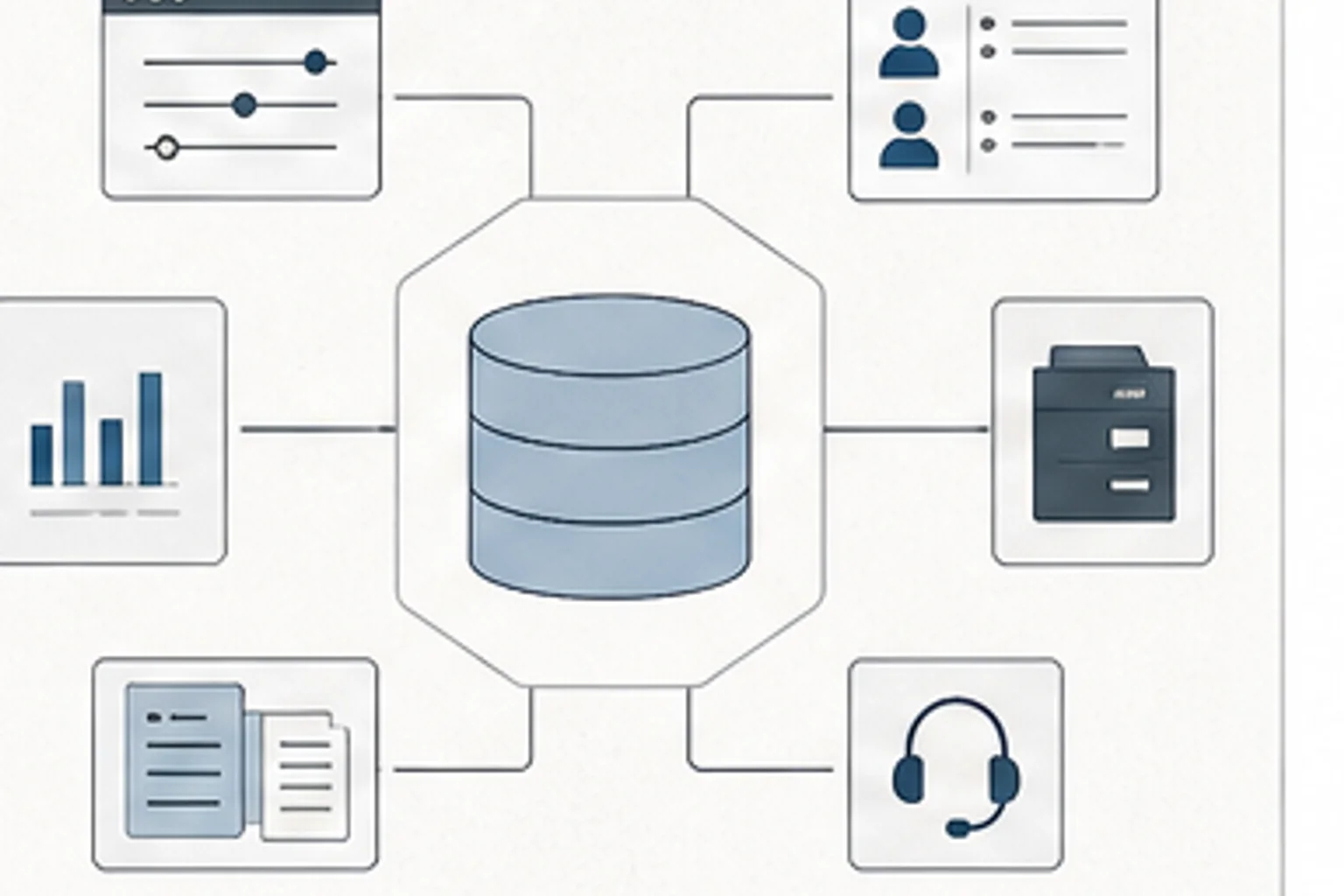
A platform decision only works when ownership, reporting, migration risk, content structure, and admin burden are part of the design.
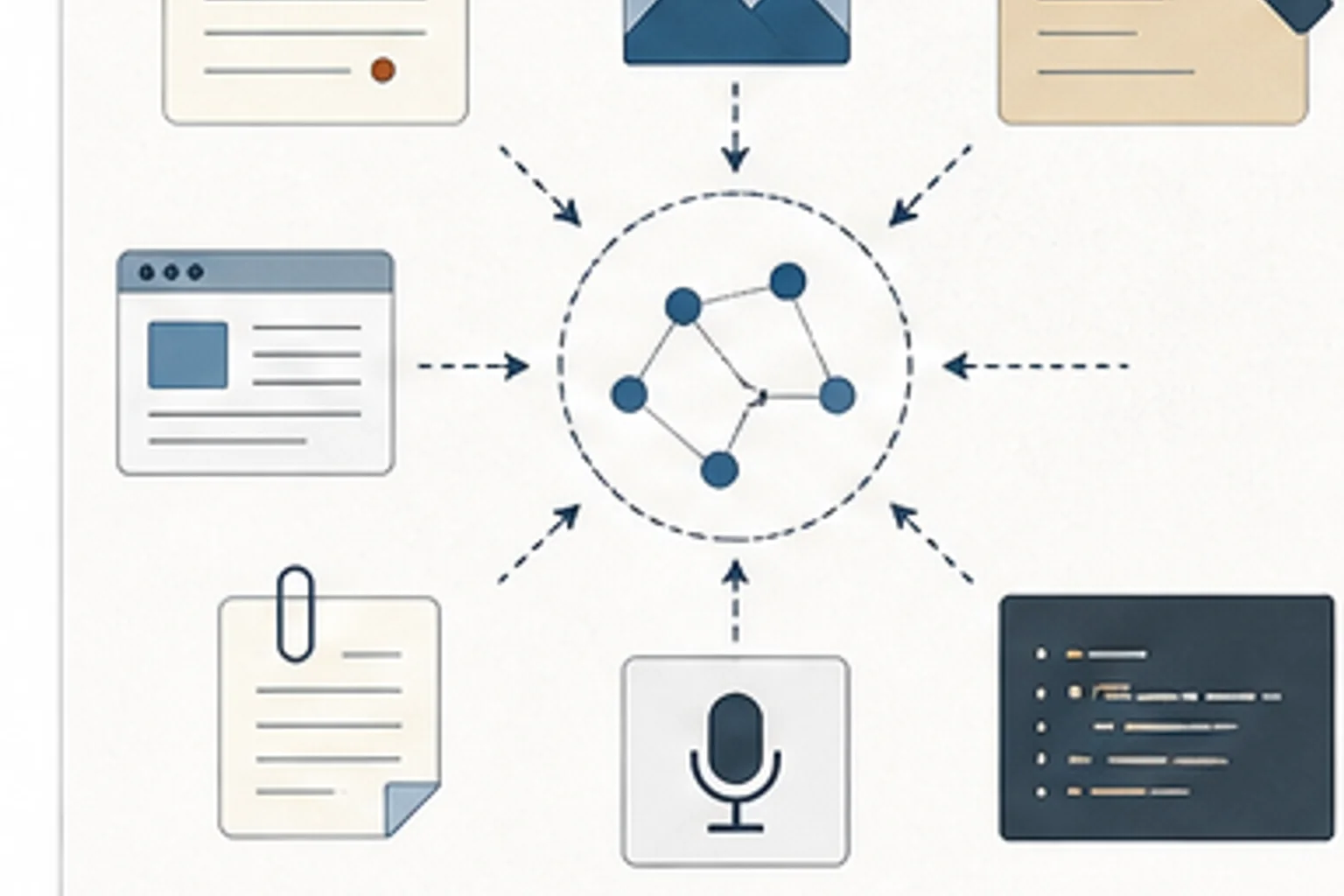
L&D teams research constantly but retain too little between projects. A personal knowledge system turns scattered notes into reusable context.
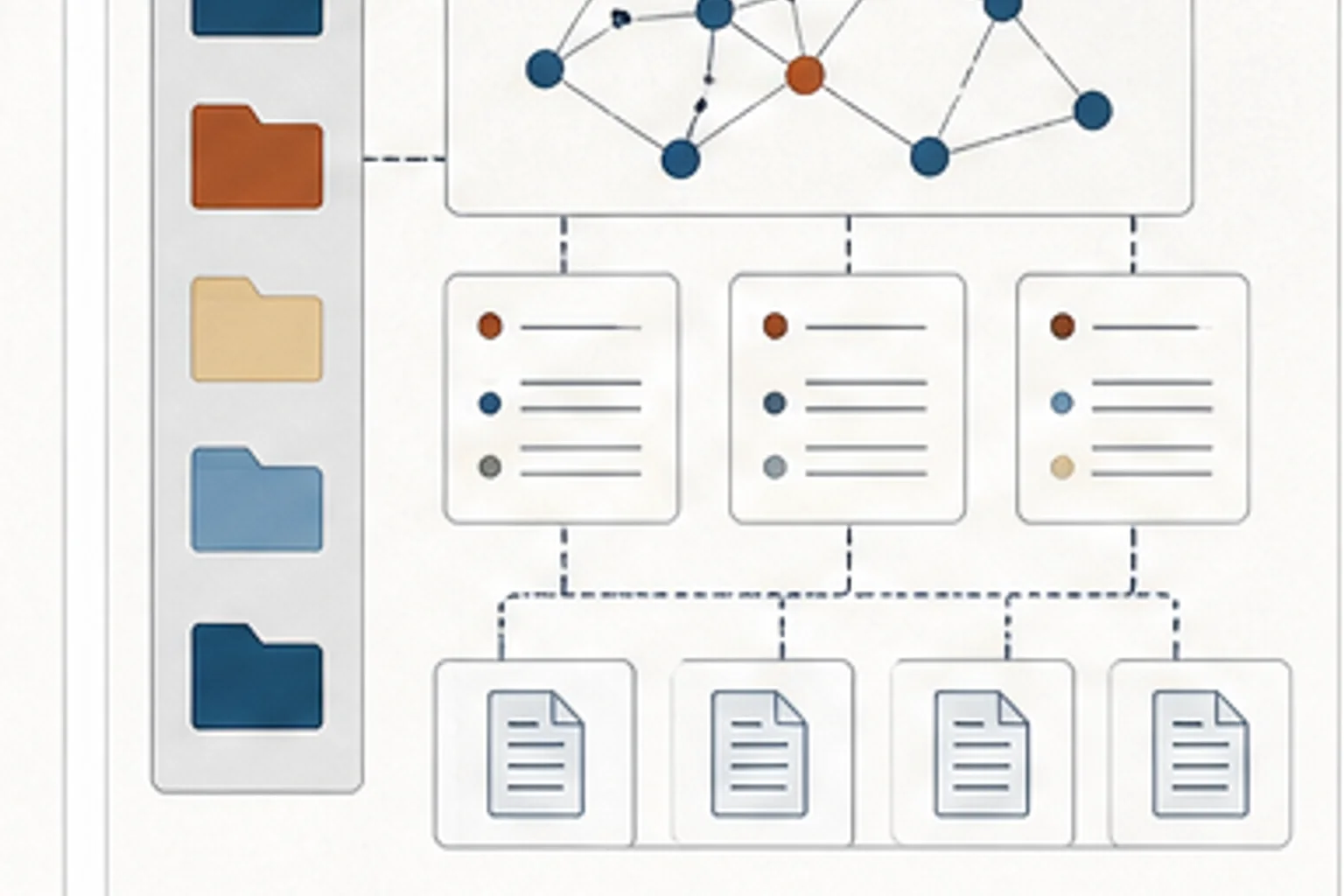
A practical setup guide for giving Claude Code persistent project context, session handoffs, and reusable L&D working memory.
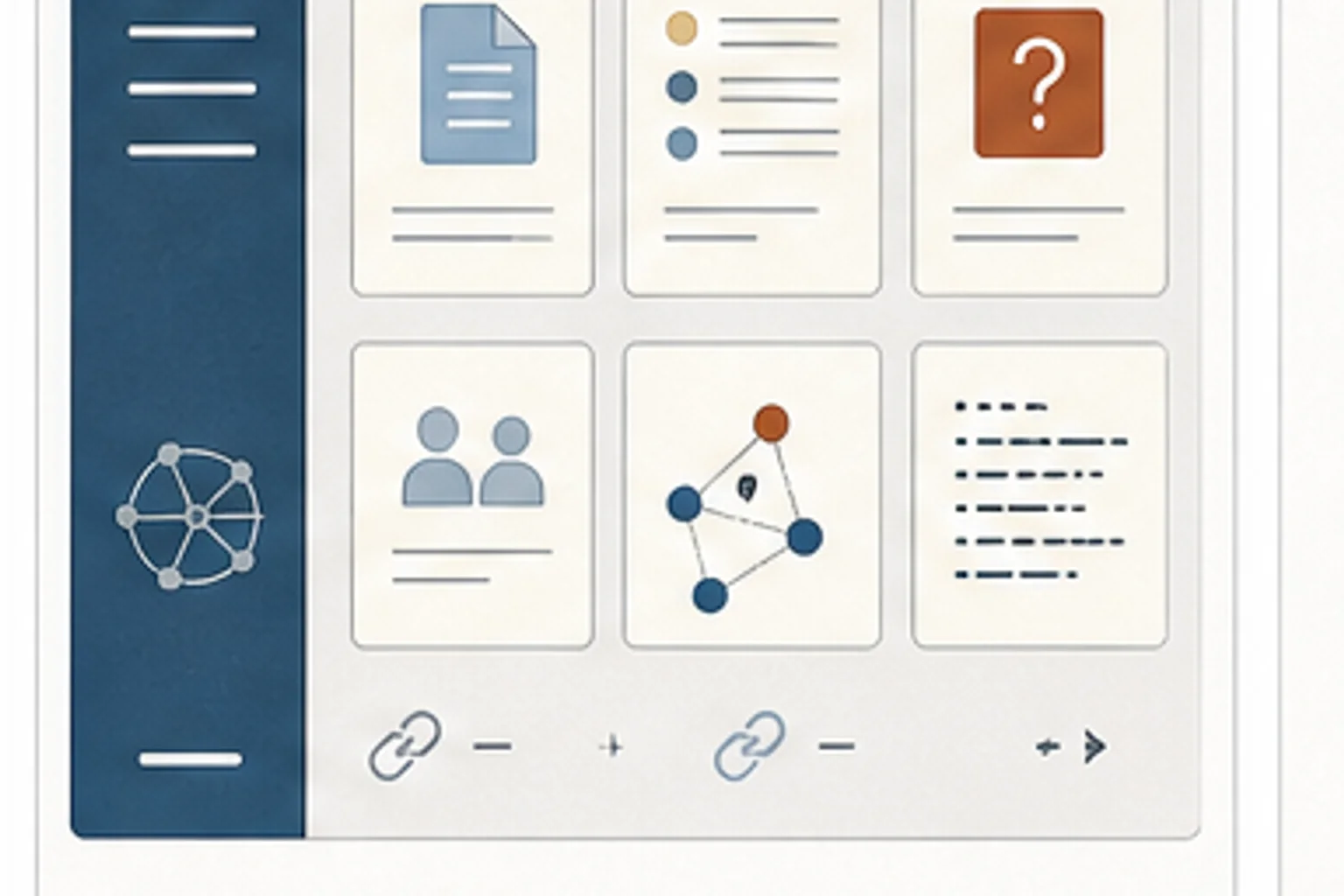
A research knowledge base can help L&D teams maintain reusable context for tools, frameworks, examples, and implementation decisions.