Use the AI guides with a workflow, source, review gate, and human owner.
Claude, Copilot, Gemini, and ChatGPT guidance is strongest when it is tied to the operating pattern around the work, not treated as a standalone prompt collection.
These guides are built for working L&D teams that need clear use cases, operating habits, prompt patterns, rollout questions, and workflow examples.
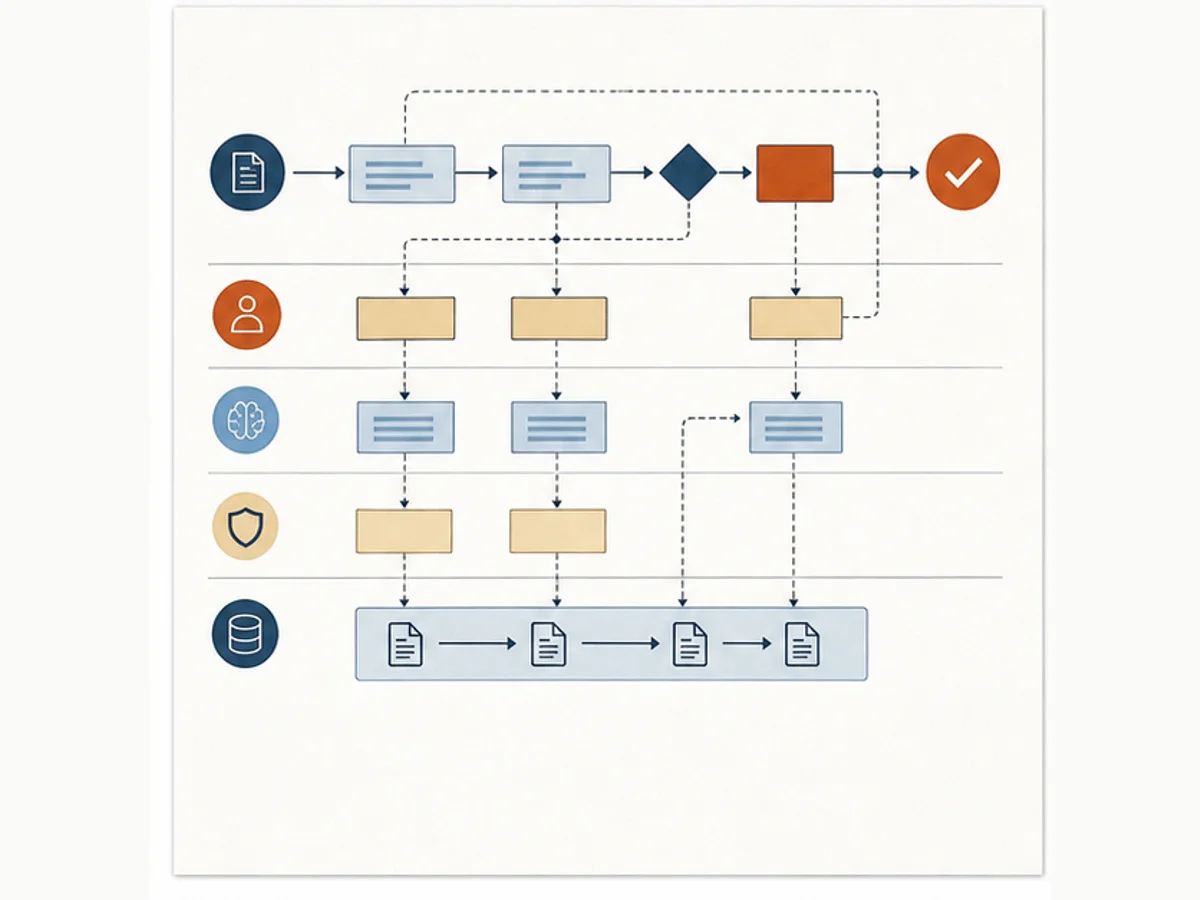
Claude, Copilot, Gemini, and ChatGPT guidance is strongest when it is tied to the operating pattern around the work, not treated as a standalone prompt collection.
A 15-part field guide to using Claude and Cowork in daily L&D work, from first login and personalization to Projects, Skills, Cowork sessions, and real L&D scenarios.
A 37-part guide to Copilot across the Microsoft 365 ecosystem with practical L&D scenarios, prompt libraries, IT admin checklists, and rollout considerations.
A 27-part implementation guide for L&D teams moving from ChatGPT to Gemini or adding Gemini to their AI stack.
A Claude Code and Obsidian setup guide for giving AI work persistent memory, project indexes, session handoffs, and reusable L&D context.
A short visual guide showing the shifts that changed L&D visual production: model selection, operating briefs, creative briefing, and realistic iteration counts.
These should not compete with the PDF guides that are ready today.
A field guide for L&D teams that want to build internal tools, automate content operations, and create durable local workflows without waiting on engineering.
A companion guide for collaborative AI patterns, multi-agent workflow planning, and deeper operating models for L&D teams.