What this means here.
Learning measurement is the evidence system that helps us decide whether the work improved readiness, behavior, adoption, workflow quality, manager confidence, or an operational outcome.
Evidence that connects learning work to readiness, behavior, adoption, workflow impact, manager feedback, and operational outcomes.
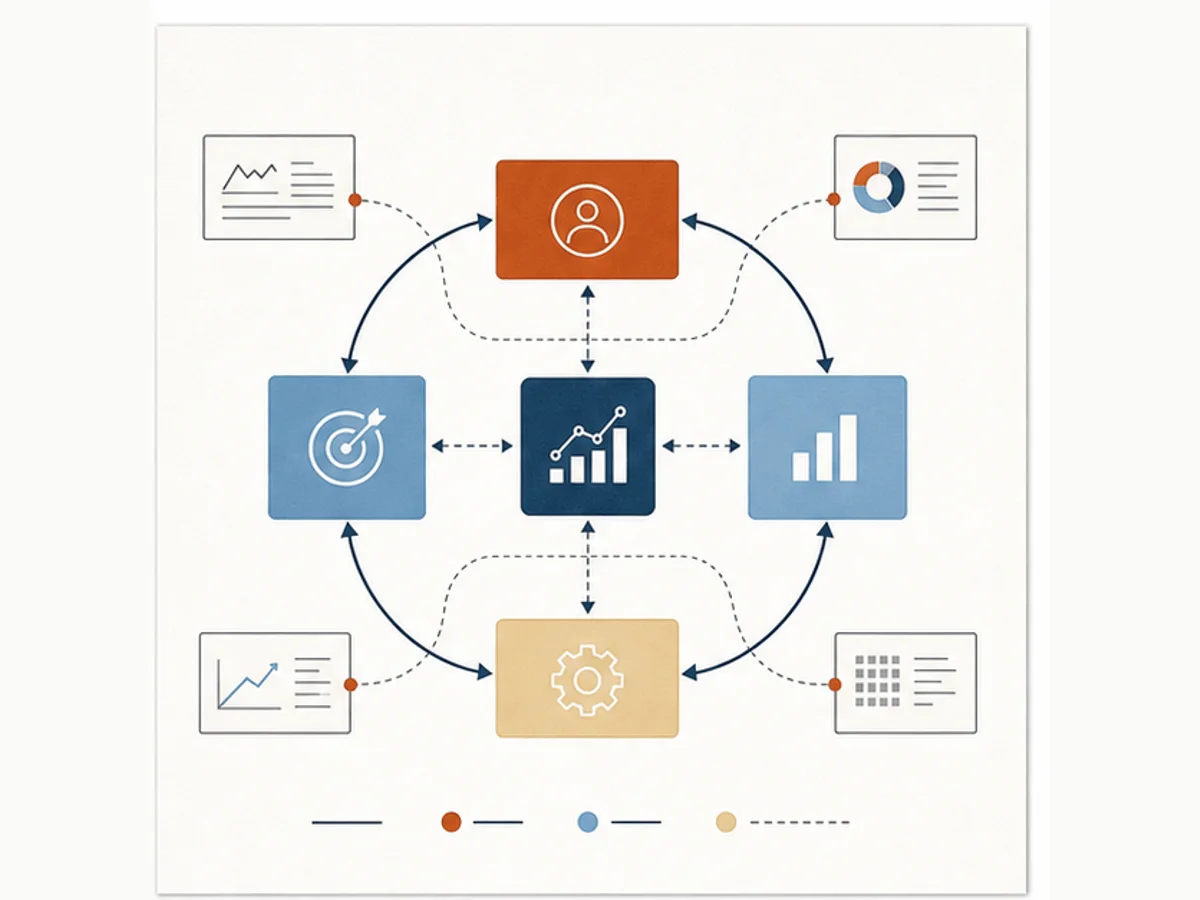
Learning measurement is the evidence system that helps us decide whether the work improved readiness, behavior, adoption, workflow quality, manager confidence, or an operational outcome.
Completion data is easy to collect, which is why we keep reaching for it. The harder question is what decision the evidence is supposed to help us make.
Choosing evidence based on the decision we need to make
Moving beyond completions without overbuilding measurement
Connecting learning work to readiness, behavior, adoption, and workflow impact
These prompts slow the conversation down before we add another course, tool, report, or AI workflow.
These patterns help us name what is happening before we commit to a fix.
We can show participation, but not readiness, decision-making, task performance, transfer, or workflow impact.
The program is already built before anyone defines what evidence would make it credible.
A low-risk reference page and a high-stakes capability program get the same survey or completion report.
Start with the smallest useful move. Then add common workplace tools or AI only when they help the work.
Write one evidence decision statement: this program should help us decide whether to continue, change, scale, or stop something.
Use Forms, Excel, Sheets, or PowerPoint to collect one manager observation, one learner confidence check, and one behavior example after launch.
Ask AI to draft scenario questions, manager observation prompts, behavior indicators, and a simple evidence summary from survey comments and work samples.
Use the note for context, the template for the working artifact, and the example when you need to see the shift before trying it.
Start here when completion data is available but the proof story is weak.
Use this when a program needs evidence tied to a decision before launch.
Use this when the measurement plan needs to move beyond completions and satisfaction.
Use these when the topic needs to become a repeatable setup in a document, spreadsheet, List, Sheet, or shared workspace.
Set up a lightweight manager observation capture and scorecard so behavior evidence can be collected without turning managers into researchers.
Set up a report definition library so LMS reports have visible decisions, metric definitions, source fields, cadence, owners, and caveats.
Use these when you want examples, explanations, and next actions for this part of the system.
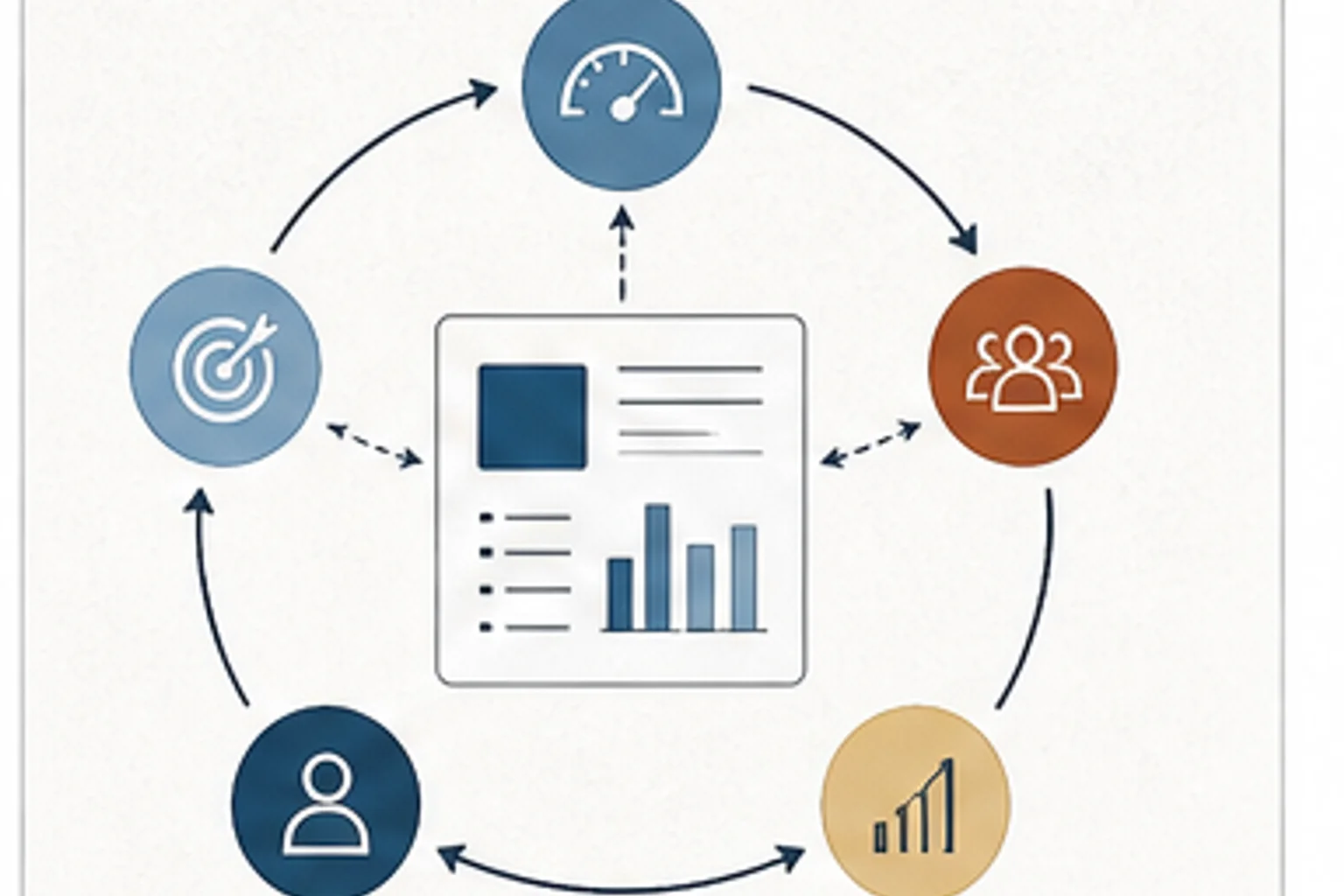
Completion data is easy to collect and weak as proof. Better measurement starts with readiness, behavior, adoption, and workflow impact.
Use Copilot across Word, Excel, PowerPoint, Teams, SharePoint, Power Automate, Forms, Power BI, Viva, and Copilot Studio.
Use Gemini, NotebookLM, Canvas, Deep Research, Gems, and Workspace workflows for practical learning team work.
Define the decision your evidence needs to support before the team defaults to completions, satisfaction, or dashboard noise.
Use these when you want the before-and-after move before you open the template.
Move beyond completions by naming readiness, behavior, adoption, workflow impact, and manager observation signals.
Translate a vague LMS report ask into the decision, audience, data source, cadence, and ownership needed to make it useful.
Turn loose manager feedback into a behavior evidence scorecard with observable criteria, confidence, support needs, and evidence limits.
Turn a vague monthly completion request into a report definition that names the decision, audience, metric, source field, cadence, owner, and caveat.
Use this when we need to check the idea against source material or platform documentation.
Use this when we need to check the idea against source material or platform documentation.
Use this when we need to check the idea against source material or platform documentation.
Use this when we need to check the idea against source material or platform documentation.